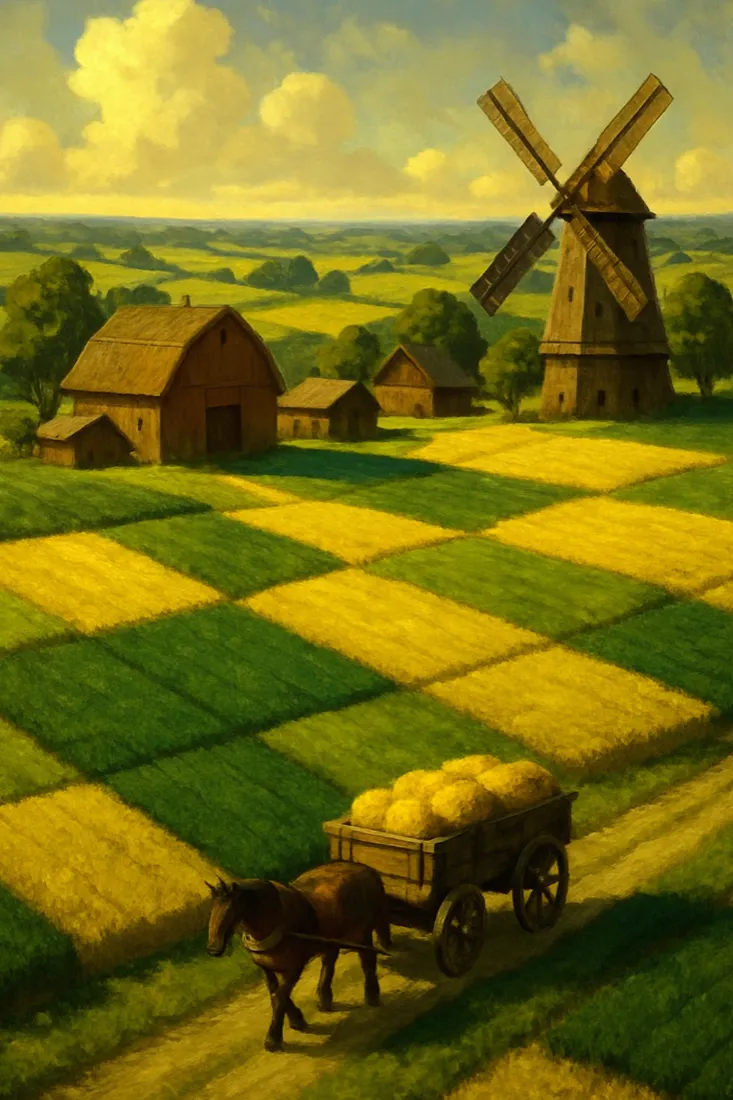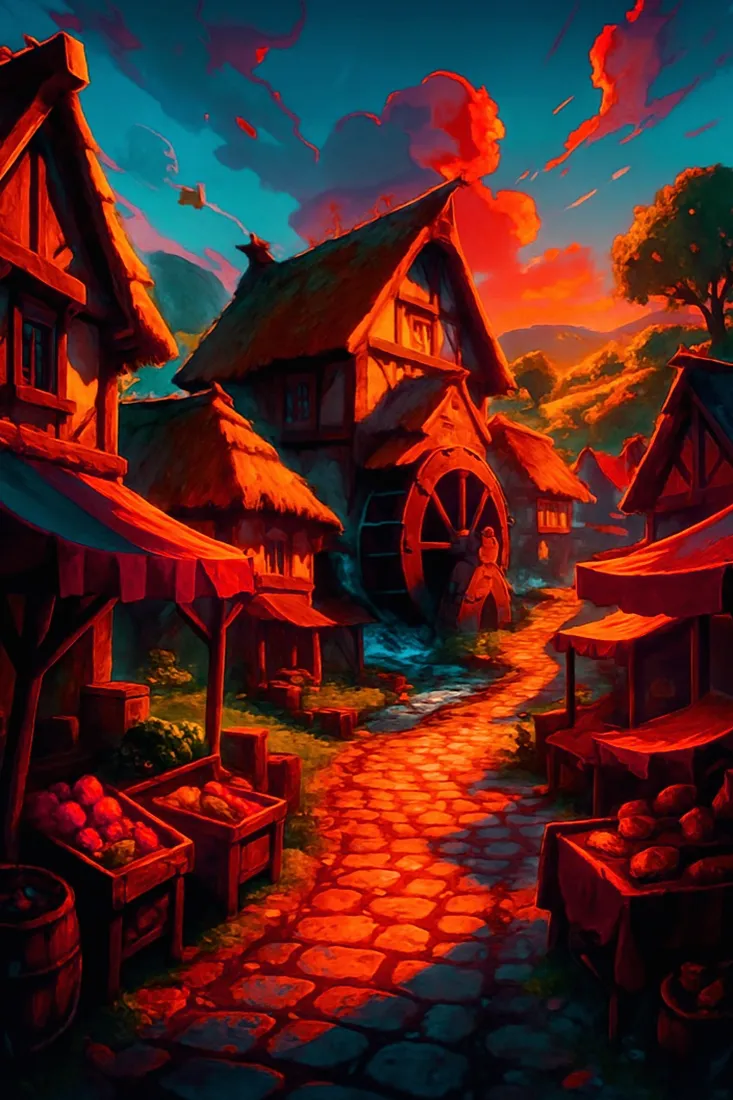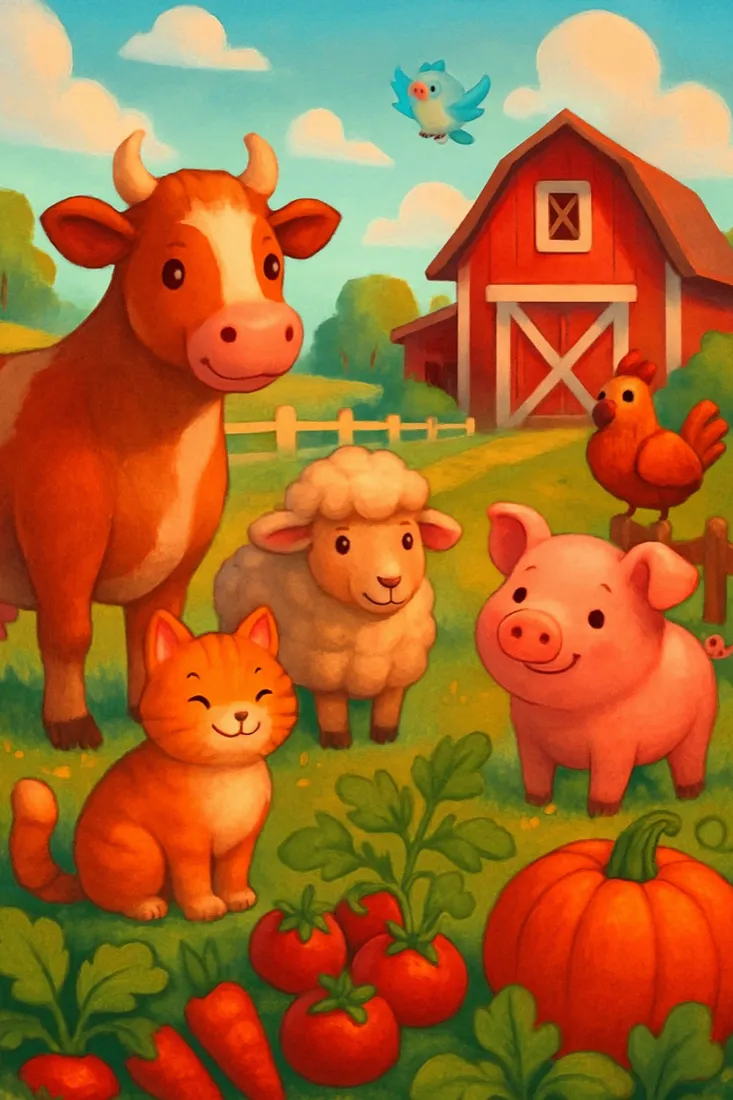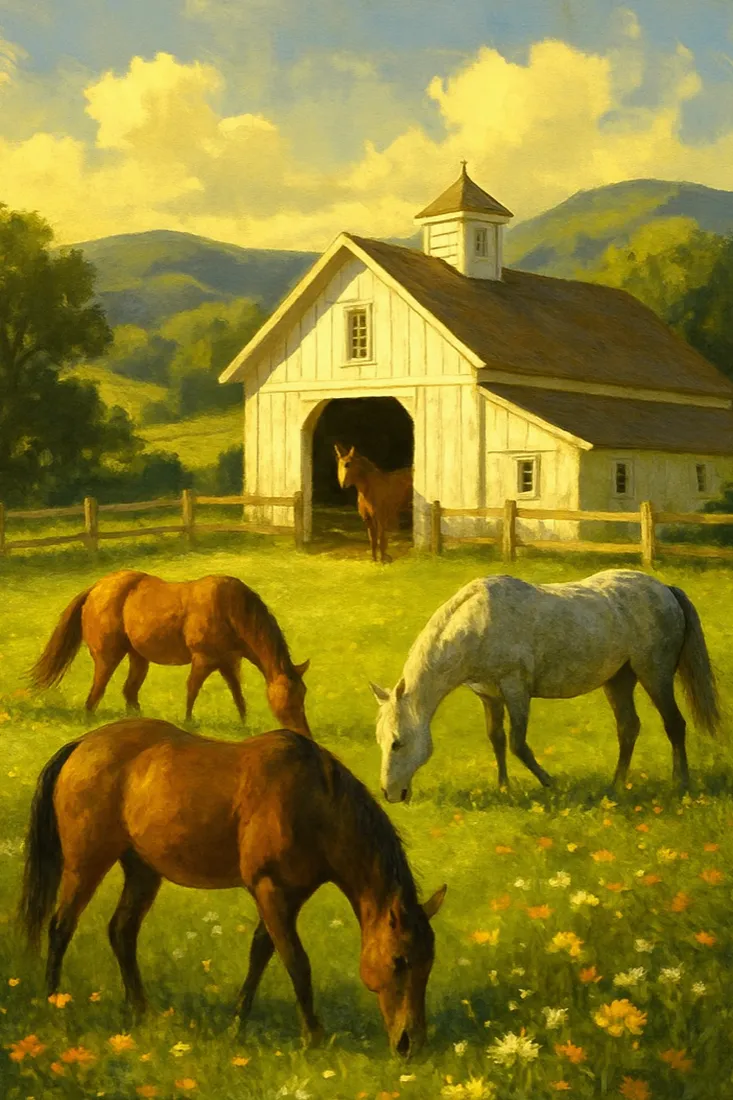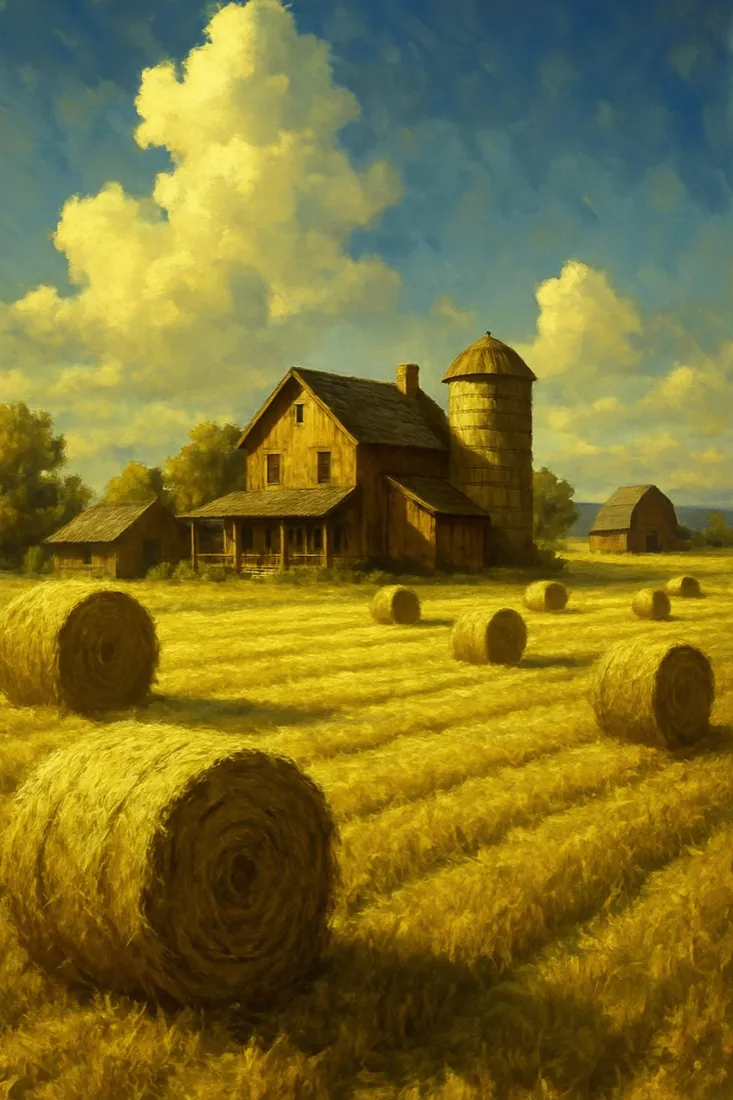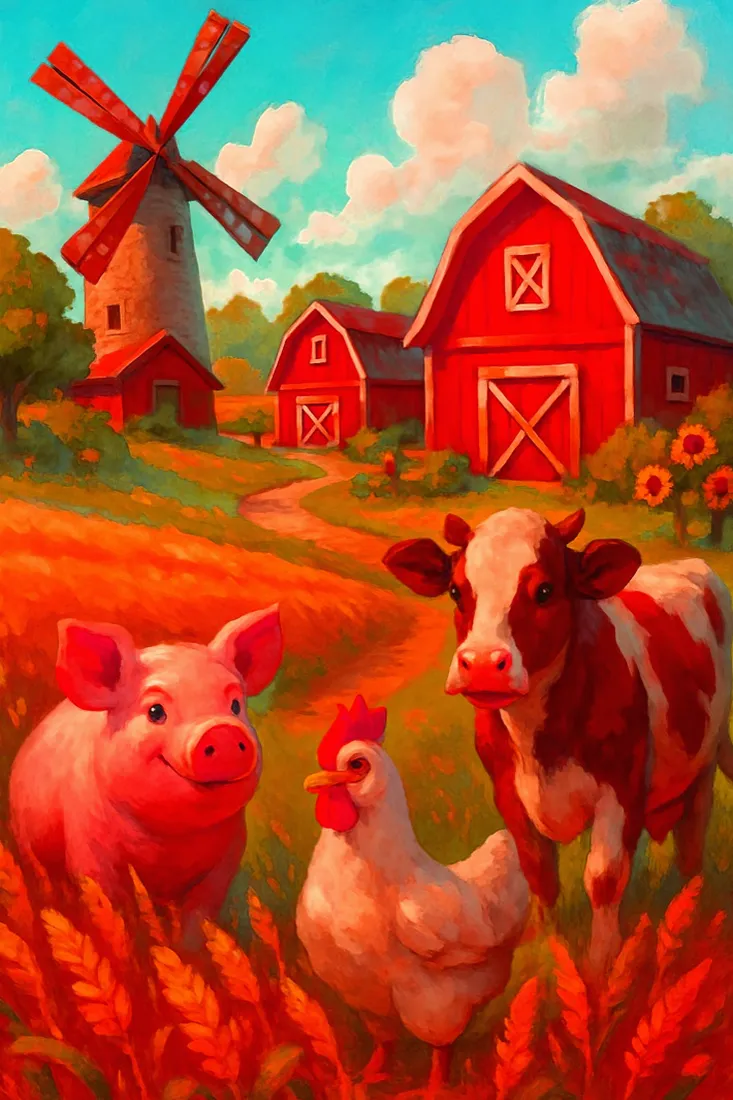
Big Farm starts the way most farming games do, with a few fields and some animals, and it quickly reveals its real interest: building. The publisher promises over 45 different buildings and upgrade levels, plus more than 100 decorations, and much of the satisfaction comes from watching a modest plot become a proper estate. Each upgrade is a small milestone, and they arrive at a comfortable clip.
What sets it apart on this shelf is company. Big Farm’s cooperative and research system invites you to join other farmers and work toward shared goals, and in our experience that turned a pleasant solo game into something we discussed between sessions. It is the farm we recommend to friends who want to play together, even if they live in different provinces.
Production cycles with a light touch
Crops and animals run on what the publisher calls realistic production cycles, and the catalogue covers more than 90 products. Chickens, cows and pigs supply the barnyard side, while fields provide the rest. Products head to the market, where selling well is framed as a test of business skill, and the profits go straight back into buildings and upgrades.
The production side is less intricate than My Free Farm 2 or My Little Farmies. Chains exist, but they are shorter, and the game is more interested in what you build with the money than in the logistics of earning it. That makes Big Farm easier to pick up, and it explains why our depth score sits a notch lower than the two upjers planners above it.
Building upward and outward
Construction is the steady drumbeat. New buildings unlock, older ones upgrade, and the farm spreads across its land in a way that feels tangible. Decorations let you tidy the result into something attractive, and the estate’s growth is easy to see at a glance, which is a quiet pleasure after a week of play.
We liked how the game tends to keep a next goal in view. There is almost always an upgrade within reach, so even a short visit ends with a sense of progress. The flip side is that upgrades take time, and the premium currency sits beside every timer. Patient players will be fine; anyone who wants instant results will feel the nudge.
What a good cooperative brings
The exclusive cooperative and research system is where Big Farm earns its badge. Joining a group gives you shared targets, a reason to log in when teammates need you, and a sense of belonging that solo farms cannot match. Research adds a long-term layer, steering how your farm develops over weeks rather than days.
The quality of the experience depends heavily on the group you join. An active cooperative makes the game feel alive; a quiet one leaves the feature underused. We tried two and the difference was striking. Our advice is to look for a group that chats, because the game is at its best when you are farming alongside real people.
Islands, machines and a change of scene
Events and side content break up the routine. The publisher highlights island farms with a Caribbean flair and competitions where you build your own wacky farm machines against other farmers. These are welcome detours, adding colour and a playful edge to an estate game that could otherwise settle into repetition.
Events come and go on the publisher’s schedule, so their timing will not always suit you, especially on a long winter week when the evenings are free but the event has just ended. We would not choose Big Farm for its events alone, but they give regular players something fresh to look forward to between building projects.
Big Farm: the first week of chores
- Follow the starting quests to unlock the core buildings before spending money on decorations.
- Keep chickens, cows and pigs productive; idle animals slow your early income more than idle fields.
- Look for an active cooperative by midweek and introduce yourself in its chat.
- Choose one research path and stick with it rather than spreading effort thinly.
- Plan upgrades around your real schedule, starting long builds before bed or work.
What we love
- Cooperatives turn a solo farm into a shared project with friends.
- A steady stream of buildings and upgrades keeps progress visible.
- Easier to pick up than the deeper production-chain planners.
- Island farms and machine competitions add playful variety.
What grates
- Production chains are shorter and less interesting than the upjers games.
- Upgrade timers sit uncomfortably close to the premium shop.
- A quiet cooperative leaves the best feature underused.
The farmer Big Farm suits
Players who want a farm they can share. If you like building visibly, enjoy belonging to a group, and prefer a lighter economy to an intricate one, Big Farm fits neatly into a social evening routine.
Big Farm, at harvest
Big Farm is the most sociable estate on the shelf, built around construction, upgrades and an excellent cooperative system. Its production side is lighter than the farms ranked above it, and timers lean on the shop a little, but with the right group it becomes a warm, shared routine. Third place, and first choice for farming with friends.